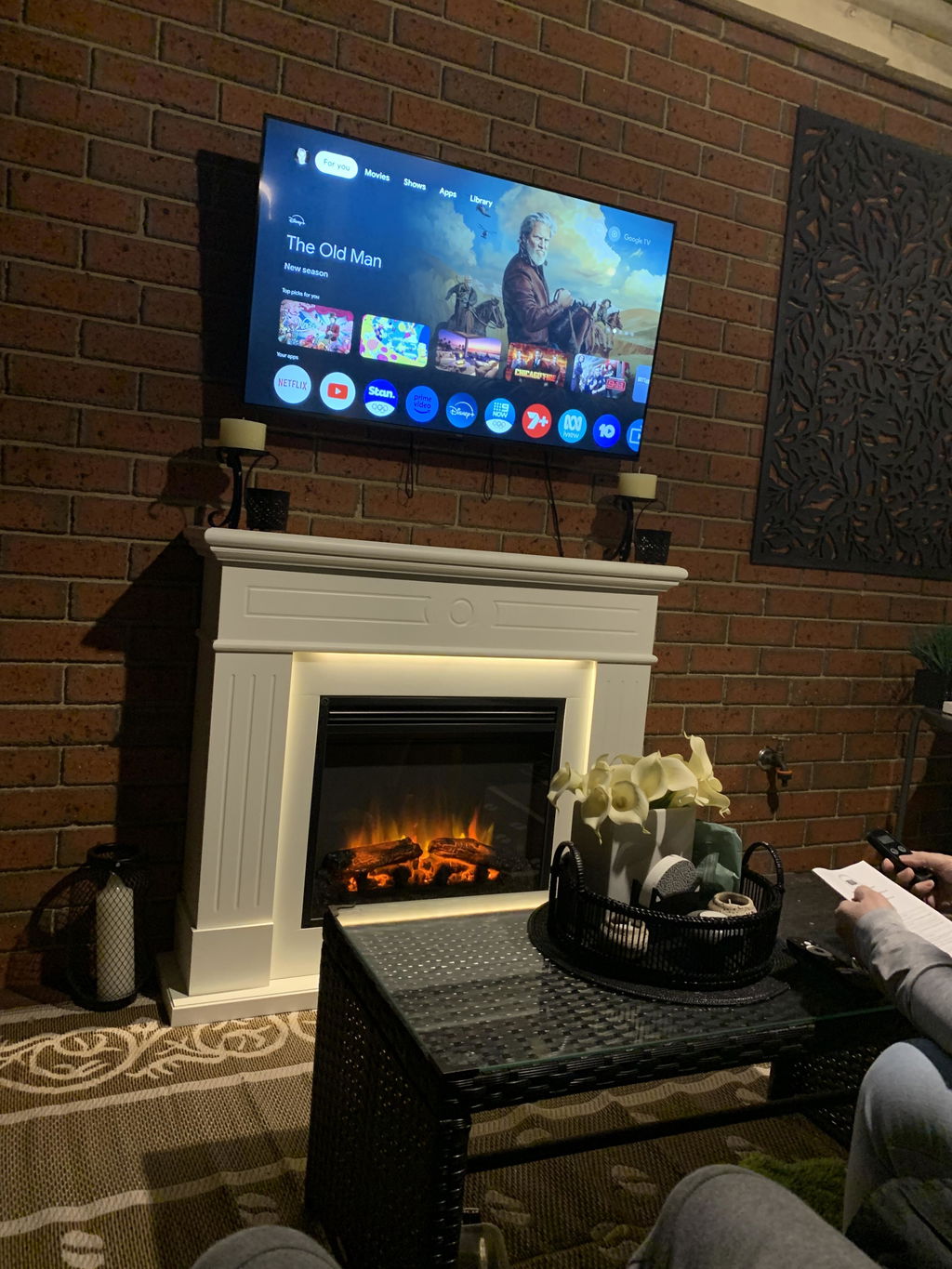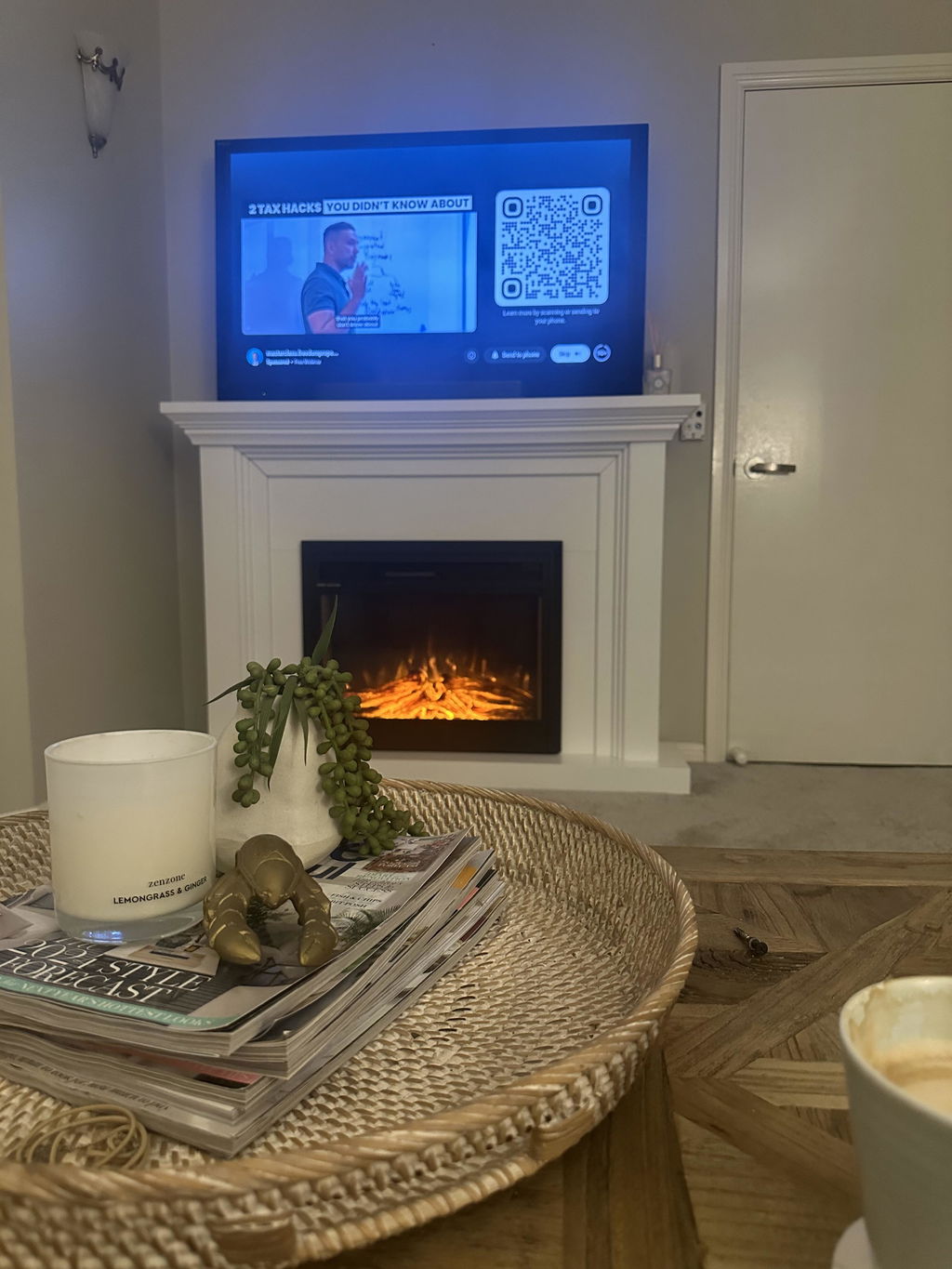

When choosing a realistic electric fireplace, the flame effect can be just as important as the overall design. After all, the fireplace is often the visual centrepiece of a living room, so the way the flames move, glow and interact with the firebox can have a noticeable impact on the atmosphere. LED, LCD and holographic technology each create flames differently, which means they also offer different levels of detail, movement and visual depth. So, when comparing LED vs LCD fireplace and LCD vs holographic fireplace technology, which one creates the most realistic fireplace flames?
Flame Movement and Natural-Looking Motion
Movement is one of the first things people notice when looking at an electric fireplace. A convincing flame needs more than colour; it needs movement that feels varied and natural.
LED fireplaces generally create movement through changing illumination across logs, crystals or other decorative elements. This produces a warm, flickering effect that captures the atmosphere of a traditional fire.
LCD technology can take flame movement further by displaying digital flame imagery. The flames can vary in shape, height and movement, creating a more detailed and dynamic visual experience. This can make an LCD fireplace appear more lifelike when viewed from across the room.
Holographic technology adds another visual dimension, allowing the movement to appear across different layers rather than on a single flat surface.
Layering Creates a More Convincing Fire
Real flames are not flat. When you look into an actual fire, you can see flames in front of glowing embers, with darker and brighter areas appearing at different distances. This natural layering contributes to the sense of realism.
An LED fireplace can create some layering through its combination of lighting and physical decorative elements. LCD displays can reproduce layers within the digital flame imagery, giving the fire greater visual detail.
A holographic fireplace, however, is specifically designed to enhance this layered appearance. By combining projected or layered imagery with reflective optical elements, the flames can appear separated from the background. This helps create the impression that different parts of the fire exist at different depths within the firebox.
Colour and Lighting Make a Big Difference
Colour plays an important role in how realistic an electric fire feels. Real flames are not simply one shade of orange; they contain variations of yellow, amber, orange and deeper tones depending on the part of the flame and the surrounding light.
LED technology creates colour primarily through illumination, producing a warm and inviting glow. It works particularly well when the goal is classic fireplace ambience.
LCD technology offers greater flexibility because colour can be incorporated directly into the digital flame imagery. This allows more variation and visual detail within the flames.
Holographic systems can combine detailed colour imagery with lighting and reflections. The result can feel richer because the colour is presented across multiple visual layers rather than appearing as a single illuminated surface.
Depth Is Where Holographic Technology Stands Out
Depth is arguably the biggest difference when comparing LCD vs holographic fireplace technology. An LCD screen can display highly detailed flame imagery, but the image is still fundamentally presented on a screen.
Holographic flame technology is designed to make the flames appear to occupy space within the firebox. Through layered imagery and optical reflection, parts of the flame can seem closer or further away, creating a stronger sense of dimension.
This is also what creates the distinctive floating flame effect associated with a holographic fireplace. The flames can appear to sit independently within the firebox rather than simply being displayed behind the glass.
Which Flame Looks the Most Realistic?
So, which technology creates the most realistic electric fireplace flames? The answer depends on what you mean by "realistic".
For warm lighting and traditional ambience, LED remains an appealing choice. For visual detail, colour variation and dynamic flame movement, LCD offers a more advanced digital presentation. For depth, layering and an immersive floating effect, holographic technology provides the strongest sense of dimension.
In a simple comparison, LED focuses on the glow of the fire, LCD focuses on the detail of the flame image, while holographic technology focuses on making that image feel more dimensional.
That does not mean every holographic fireplace will look identical, or that technology alone determines realism. The quality of the imagery, lighting, optical design and overall firebox construction all contribute to the final result.
For homeowners searching for a realistic electric fireplace, understanding these differences can make the choice much easier. If your priority is the most immersive flame experience possible, a holographic fireplace offers a particularly distinctive combination of movement, layering, colour, lighting and depth.