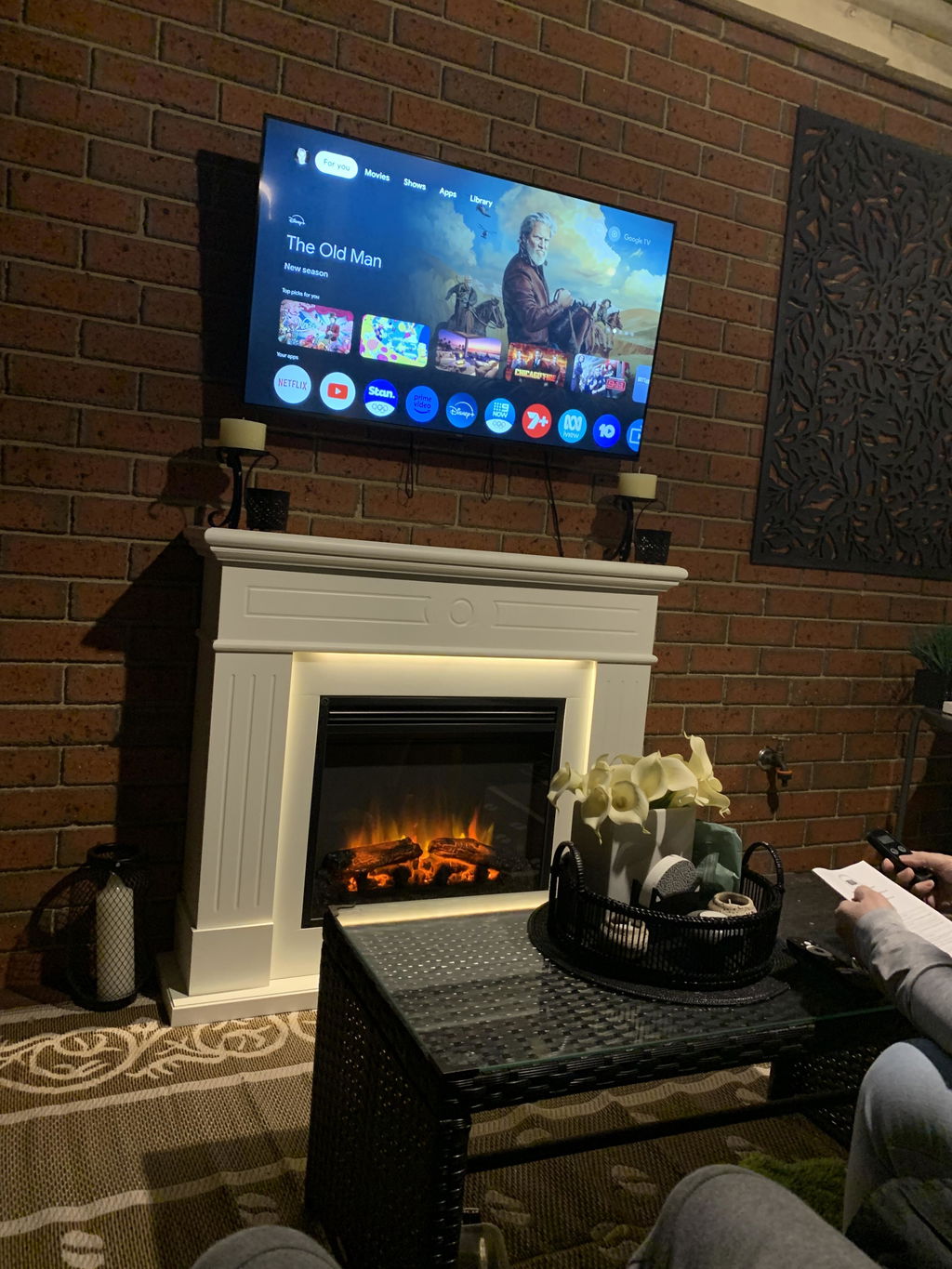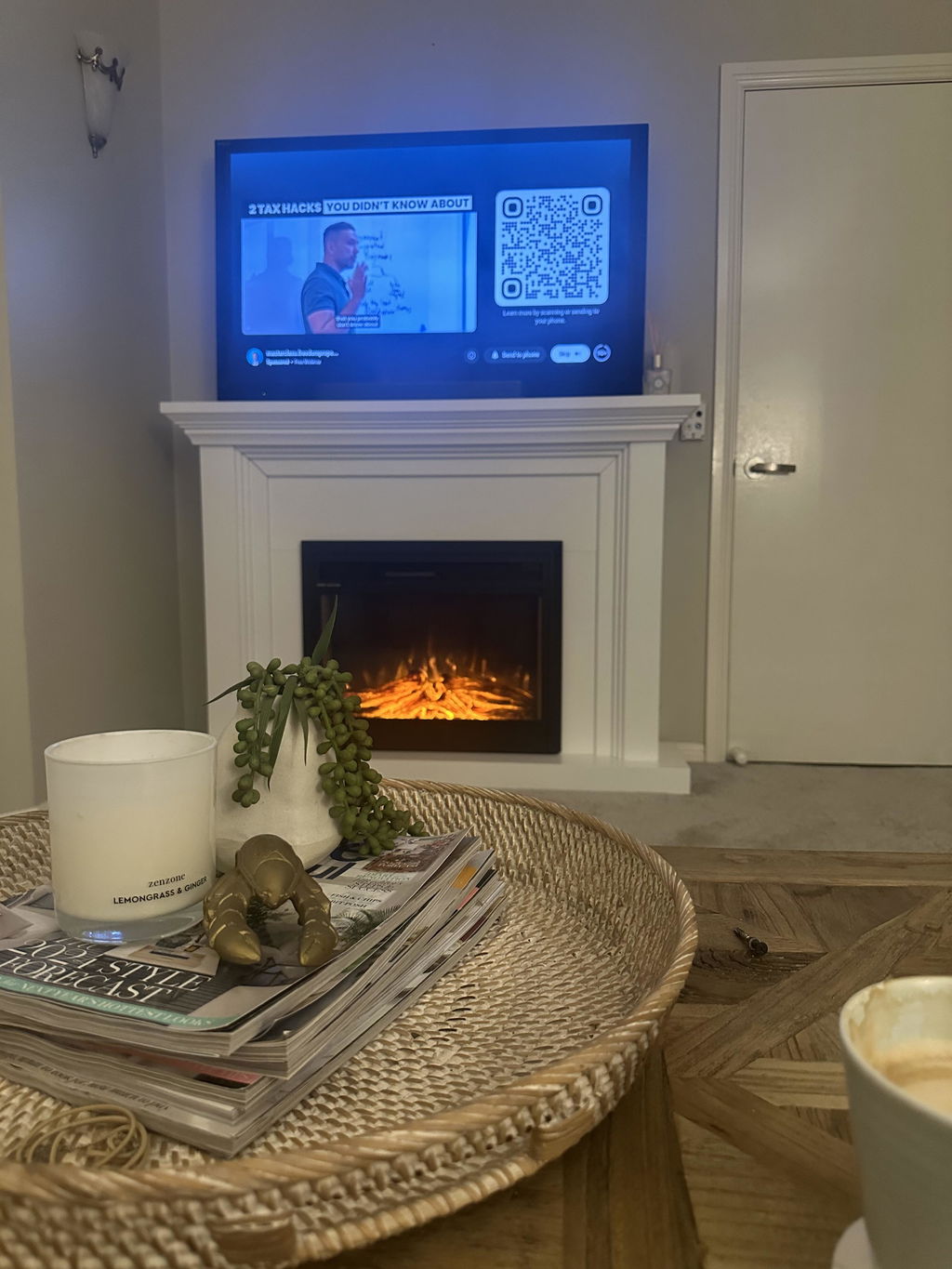

When choosing an electric fireplace, it is easy to focus on size, style or heating performance. But there is another detail that can completely change the way a fireplace looks in your home: flame technology. From the familiar glow of LED to the detailed imagery of LCD and the dimensional appearance of a holographic fireplace, each system creates a different visual experience. So, when comparing LED vs LCD vs holographic, the more useful question is not simply which technology is best, but which one creates the kind of atmosphere you want to see every day.
Flame Movement: From Flicker to Digital Motion
Flame movement is one of the first things you notice when looking at an electric fireplace. LED technology uses lighting positioned behind logs, crystals or a patterned panel to create the impression of movement and flickering light. The effect is warm and familiar, although more stylised than a real flame.
An LCD fireplace takes a more detailed approach. Digital flame footage can create smoother and more varied movement, with changing shapes and natural-looking transitions that make the display feel more dynamic.
Holographic technology takes visual movement into another dimension. Through projected or layered imagery, the flames can appear to move within the depth of the firebox, creating a more immersive visual effect.
Colour and Brightness Shape the Mood
Colour has a surprisingly strong influence on the atmosphere of a fireplace. LED flames typically provide a bright, warm glow that works well when the goal is simple ambience.
LCD technology can offer greater control over visual detail and colour variation. Flame imagery can move between softer amber tones and brighter orange shades, creating a more refined and lifelike appearance.
With a holographic fireplace, colour works together with layering and depth. Rather than simply seeing a bright image, the combination of colour, movement and dimension can make the flames feel more visually present.
Brightness matters too. A flame that is too subtle may disappear into a room, while a stronger display can become a noticeable feature after dark. The right visual balance depends on the surrounding lighting and the style of the room.
Depth, Reflections and the Firebox
This is where the differences between the three technologies become particularly noticeable.
With LED, the light interacts with physical elements such as logs, crystals or textured panels. These materials can catch and reflect the light, adding visual interest to the firebox.
LCD creates a sharper digital image behind the glass. The screen-based design allows more intricate flame detail, but the imagery remains essentially flat.
A holographic fireplace introduces a stronger sense of depth through projected or layered imagery. The flames can appear to float within the firebox rather than simply sitting on a screen behind it. From different viewing positions, this dimensional quality can contribute to a more immersive experience.
For anyone searching for a 3D fireplace, this sense of depth is one of the key visual differences to consider.

Logs, Crystals and the Overall Ambience
Physical elements also play an important role in how an electric fireplace feels. LED systems commonly use the light to illuminate logs, crystals or other decorative surfaces, combining physical texture with the flame effect.
LCD fireplaces place greater emphasis on the digital flame itself. The sharper imagery can create a clean, contemporary look that suits modern interiors where the display is intended to be the main visual feature.
Holographic systems focus heavily on immersion. When layered imagery creates the appearance of flames floating in the firebox, the fireplace can become a stronger focal point within a living room or feature wall.
None of these approaches creates exactly the same atmosphere. One may feel classic and cosy, another crisp and contemporary, while another feels more dramatic and dimensional.
Finding Your Ideal Flame Experience
Looking at LED vs LCD vs holographic is ultimately about understanding what you want your fireplace to contribute to the room. LED offers a familiar, warm glow. LCD brings sharper detail, smoother movement and more lifelike digital imagery. Holographic technology adds visual depth and a more immersive, three-dimensional appearance.
There is no single visual experience that suits every interior. A minimalist room may call for crisp digital flames, while a more traditional space may benefit from the glow of illuminated logs or crystals. A feature wall designed to capture attention may suit the dimensional effect of a holographic fireplace.
Flame technology also relates to visual appearance rather than heating performance. Heating depends on the fireplace's heater unit, including factors such as wattage and recommended room coverage.
Understanding these differences makes it easier to look beyond the basic flame effect and consider the full visual experience — movement, colour, brightness, depth, reflections and decorative elements. Once you know how LED, LCD and holographic flame technologies differ, you can explore the option that fits your interior, your style and the atmosphere you want to create.