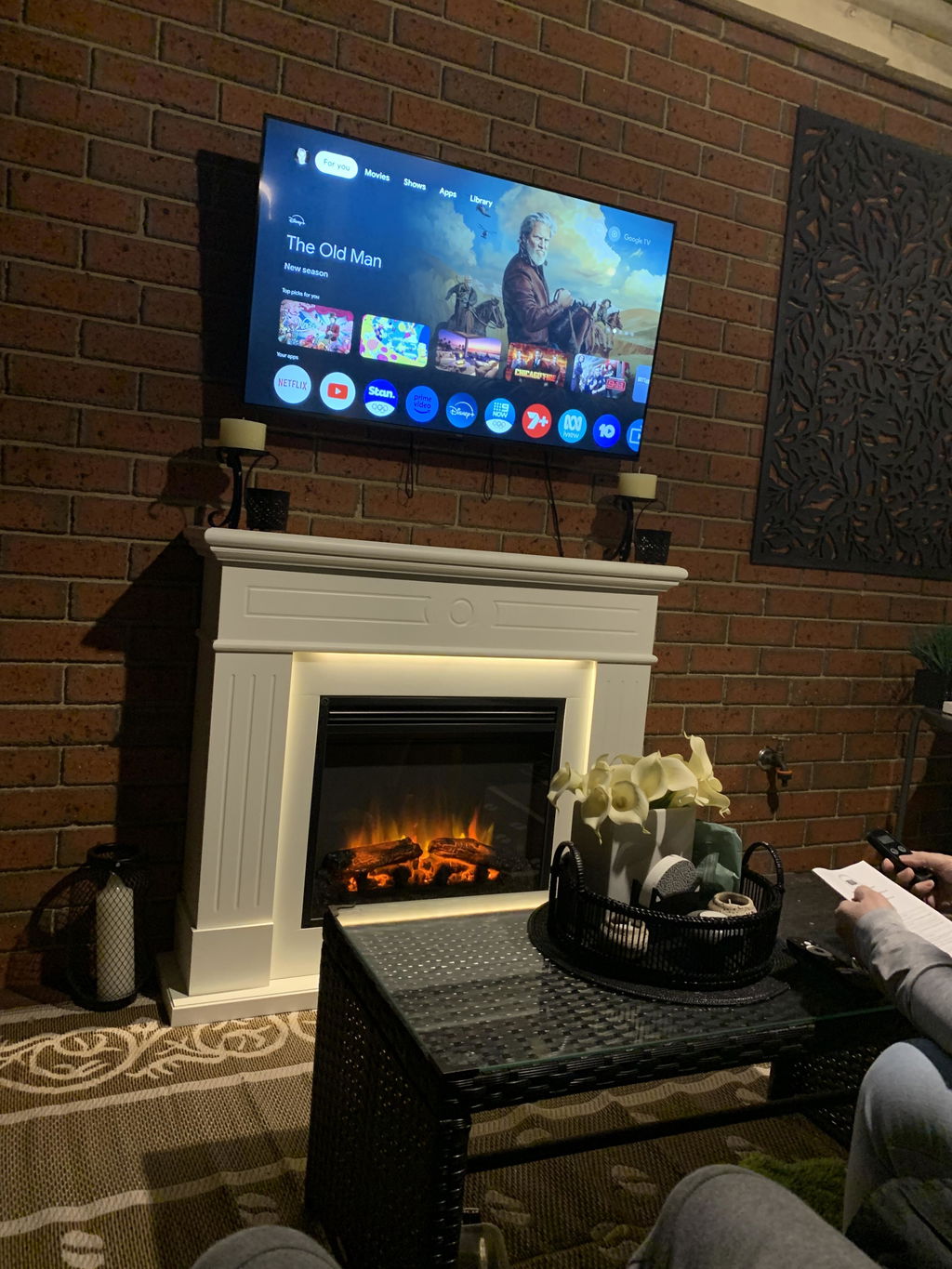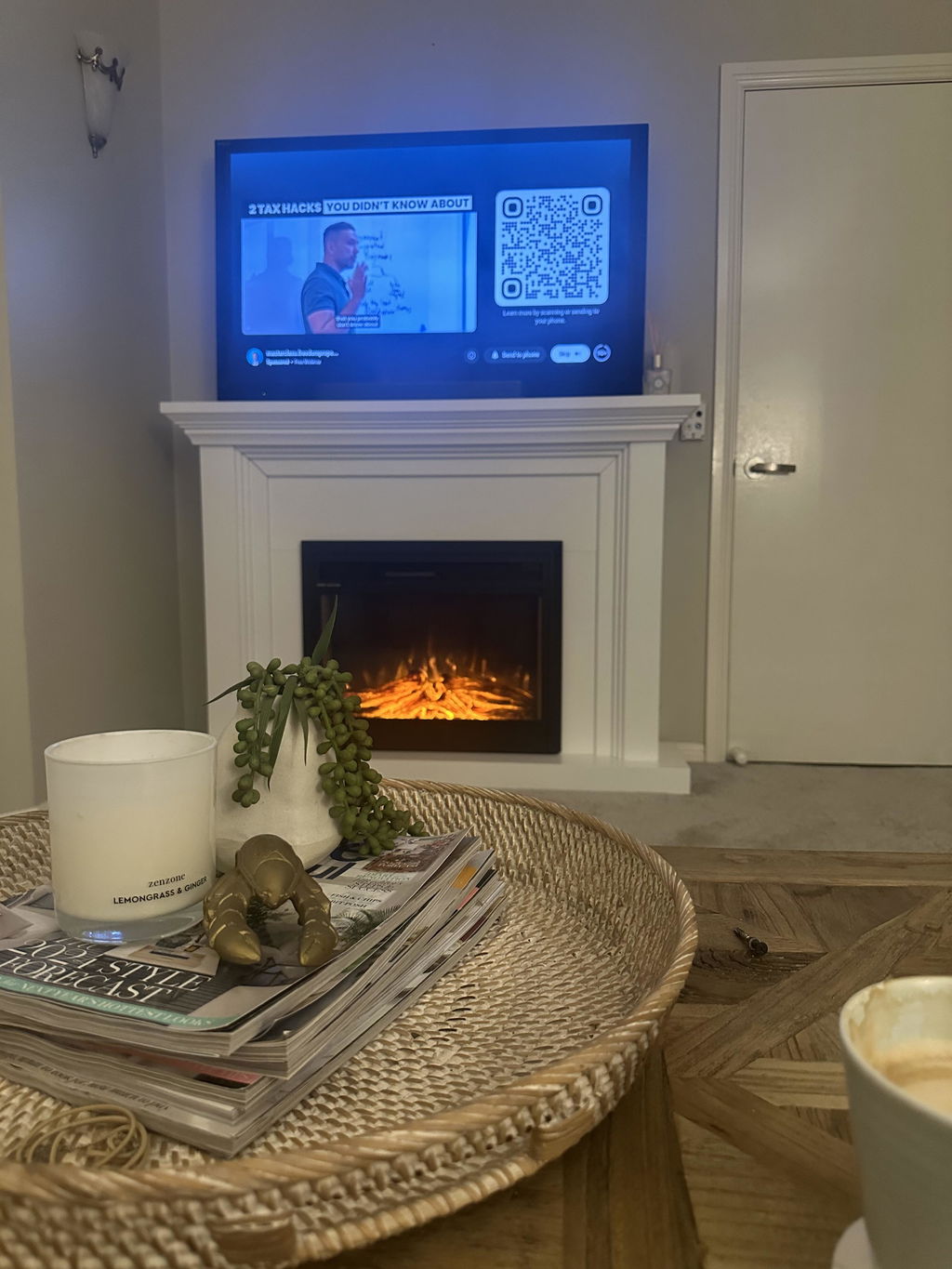

An electric fireplace once had a fairly simple job: create the warm glow of a fire without the need for wood, smoke or a traditional chimney. But as home interiors have changed, so has the technology behind that familiar glow. What began with LED lighting effects has developed into detailed LCD flame displays and, more recently, holographic visual effects designed to create greater depth and immersion. The story of electric fireplace technology is, in many ways, a story about making an artificial flame feel more visually engaging, natural and atmospheric.
It Started With the Warm Glow of LED
The early development of the LED fireplace focused on creating ambience rather than replicating every detail of a real flame. LED lights could illuminate logs, crystals or a textured backing panel, using light and movement to suggest the flicker of a fire.
The result was simple but effective. A warm, bright glow could transform a living room in the evening, adding a familiar sense of comfort without an actual open fire.
LED technology also made electric fireplaces more accessible. With proven components and a relatively straightforward lighting system, LED fireplaces offered a dependable way to introduce the look of a fire into modern homes. The emphasis was on atmosphere: a beautiful glow, gentle movement and the visual suggestion of flames.
The Move Towards Digital Detail
As display technology developed, electric fireplaces could move beyond lighting effects. This introduced the LCD fireplace, where flame imagery could be displayed digitally on a high-resolution screen behind the glass.
It was a significant change in the way the flame was presented. Instead of light shining across physical logs or crystals, digital flame footage could show much finer variations in colour, movement and detail.
Soft amber tones could transition into brighter orange flames, while smoother animation created a more dynamic appearance. For contemporary interiors, this offered a cleaner and more refined visual experience.
The evolution from LED to LCD was not simply about making the flame brighter. It was about giving the flame more information — more colour, more movement and more visual detail.
From Detail to Depth
The next stage of fireplace innovation was about something different: depth.
While an LCD display can create detailed flame imagery, the image itself remains fundamentally screen-based. Holographic technology takes another approach by using projected or layered imagery within the firebox to create a stronger sense of dimension.
A holographic fireplace can make flames appear to sit within the space of the firebox rather than simply behind the glass. The visual effect can seem to float, giving the flame a more dimensional quality from different viewing angles.
This is where the evolution becomes particularly interesting. LED introduced the glow. LCD introduced greater detail. Holographic technology builds on that development by introducing a stronger sense of depth and immersion.
Why Flame Technology Changes the Atmosphere
Imagine a living room at night. With LED, the fireplace might provide a soft, familiar flicker that adds warmth to the room visually. With LCD, the flame can become more detailed, with sharper colours and smoother movement drawing the eye towards the fire.
With holographic effects, the experience becomes more about the fireplace as a visual feature. Layered imagery and depth can give the flames a floating quality, making the fireplace feel more like a statement piece within the room.
These differences show why electric fireplace technology is about more than simply producing flames. The technology influences how the fireplace interacts with the surrounding interior, whether it blends quietly into the room or becomes a strong focal point.

Where Electric Fireplace Technology Is Heading
The journey from LED to LCD to holographic flame effects reflects a broader shift in home design. As homeowners look for fireplaces that combine convenience with visual appeal, manufacturers have continued exploring ways to make artificial flames more detailed, layered and immersive.
Each technology still has its place. LED offers a classic, stylised glow. LCD brings sharper digital detail and more lifelike flame movement. Holographic effects take the visual experience further by creating depth and a three-dimensional appearance.
Importantly, flame technology is primarily about the visual experience; heating performance depends on the heater itself, including factors such as wattage and room coverage.
From a simple glow to digital imagery and dimensional visual effects, fireplace innovation has steadily changed what an electric fireplace can look like. And the story is not just about technology becoming more advanced — it is about finding new ways to recreate the atmosphere that has made fireplaces such an enduring part of the home.