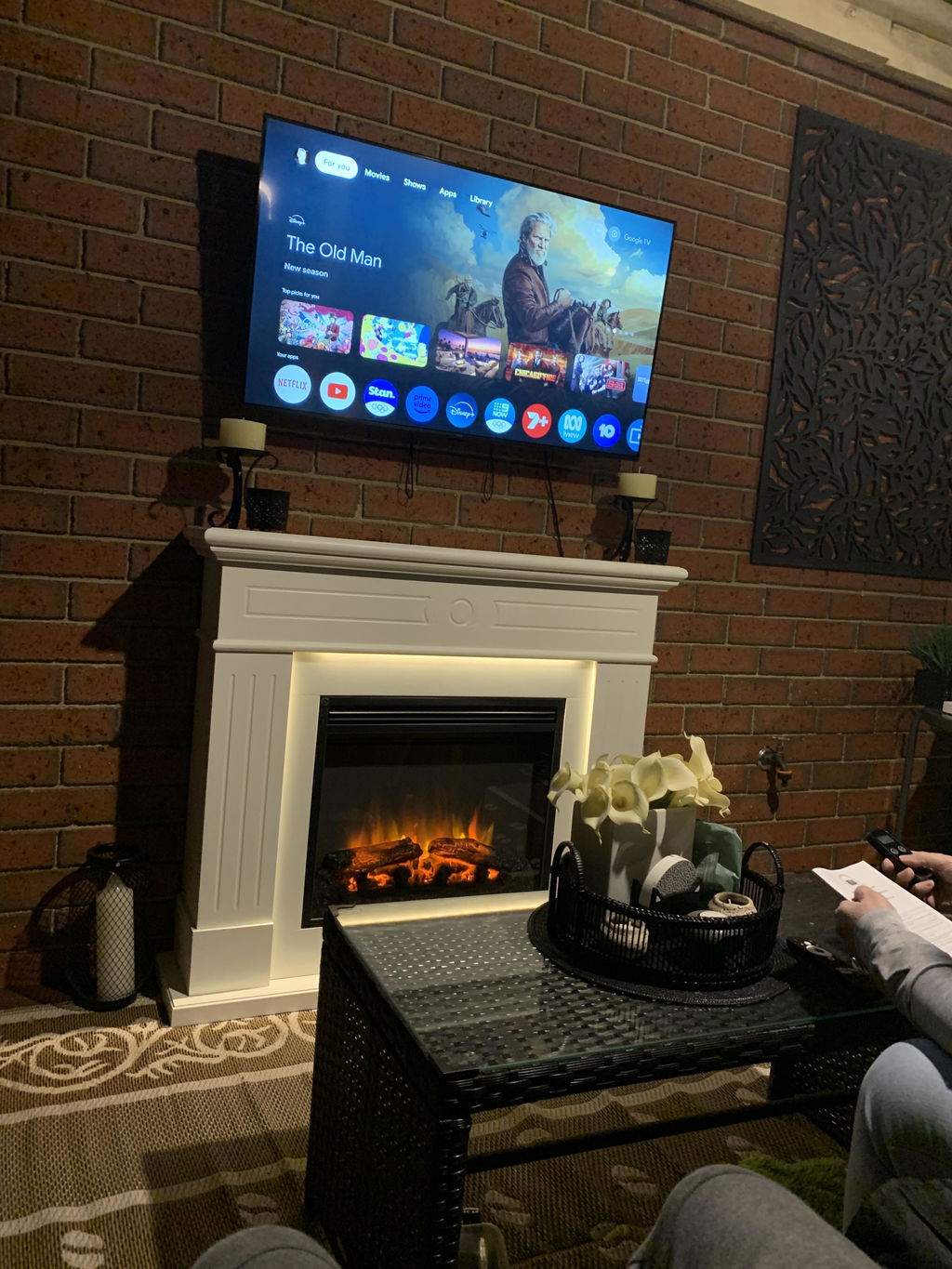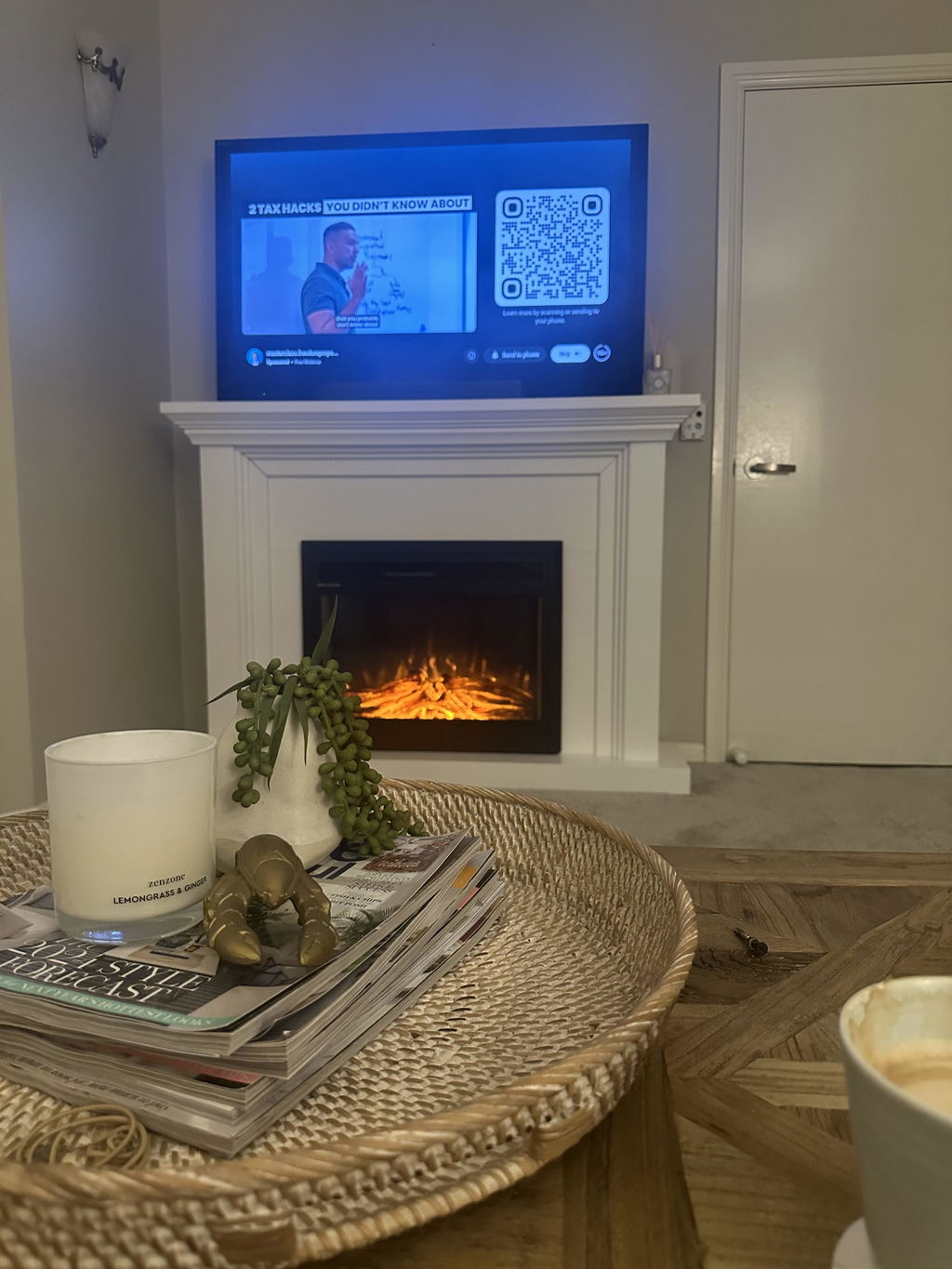

There is something captivating about watching a fire. The shifting flames, changing colours and soft glow can make a living room feel more inviting, especially as the evening settles in. But can an electric fireplace recreate that experience without burning wood or producing real flames? Thanks to advances in electric fireplace technology, modern models can deliver increasingly detailed and lifelike visual effects. While they cannot perfectly replicate every quality of a real fire, the right flame technology can create an impressive focal point for a contemporary home.
What Makes Fireplace Flames Look Real?
Realistic flames are about more than brightness. A natural fire is constantly changing, with movement, colour and light interacting to create a sense of depth. Flames stretch upwards, flicker irregularly and shift between softer yellow tones and brighter orange hues.
For an electric fireplace, recreating these visual details is the key challenge. The flame effect needs enough variation to avoid looking like a static image, while changes in brightness and colour help create a more convincing appearance.
This is where different types of electric fireplace technology make a difference. LED, LCD and holographic systems each approach the visual effect differently, offering varying levels of detail, movement and dimensionality.
Although the result is still an artificial flame effect, carefully designed lighting and imagery can make it visually engaging without the smoke, ash or burning wood associated with a traditional fire.
LED, LCD and Holographic Flame Realism
Not all electric fireplace flames look the same. Understanding the differences between the main technologies can help you decide how realistic you want your fireplace to appear.
An LED fireplace uses lighting to illuminate logs, crystals or a patterned panel, creating a warm, flickering glow. The effect is often more stylised than a real flame, but it can still provide the familiar visual comfort many people want from a fireplace.
An LCD fireplace uses a digital screen to display flame footage or animation. This allows for sharper details, more varied colours and smoother-looking movement. Rather than relying mainly on light passing across physical decorative elements, LCD technology can present more intricate flame imagery.
A holographic fireplace takes a different approach, using projected or layered imagery to create a greater sense of depth. The flames can appear to float within the firebox rather than sitting entirely flat behind the glass. For those seeking a more immersive visual effect, this added dimension can make a noticeable difference.
Colour, Movement and Light Create the Atmosphere
One reason real fire is so appealing is its changing appearance. The flames are never completely uniform, and the surrounding light shifts as they move.
Electric fireplaces recreate aspects of this experience through combinations of colour, brightness and animated movement. Softer amber tones can create a relaxed atmosphere, while brighter orange flames may produce a more dramatic visual effect. The level of detail and smoothness of movement also influences whether the flames look stylised or more lifelike.
Reflections and illuminated decorative elements can contribute to the overall impression, too. With LED technology, light interacts with logs or crystals inside the firebox. Digital displays focus more on the imagery itself, while holographic effects introduce additional visual depth.
These elements work together to shape the fireplace's appearance. No single detail guarantees realism; it is the overall combination that determines how convincing and immersive the effect feels.
Can an Electric Fireplace Truly Replace a Real Fire?
The honest answer is that an electric fireplace can imitate the appearance of flames, but it cannot completely reproduce a real fire.
A traditional wood fire has physical movement, changing combustion patterns and natural variations that are difficult to duplicate digitally. It also produces the distinctive sounds and scents associated with burning wood. Electric fireplaces do not recreate these physical characteristics simply by improving their flame effects.
However, a realistic electric fireplace offers a different set of advantages. It can provide a flame-inspired visual feature without requiring a wood-burning fire, and it can suit homes where a traditional fireplace is impractical or undesirable.
The important distinction is between perfect replication and visual appeal. You may not mistake an electric flame for a real fire at close range, but a well-designed display can still create a compelling atmosphere in your living room.
Choosing the Right Electric Fireplace for Your Home
If realistic flames are a priority, start by considering what matters most to you. Do you prefer the warm glow of illuminated logs and crystals, the detailed movement of digital flames, or the added depth of a holographic effect?
An LED model may suit those who appreciate classic ambience, while LCD technology offers sharper digital imagery. A holographic fireplace may be worth exploring if you want flames with a more dimensional, floating appearance.
It is also important to separate visual realism from heating performance. Flame technology determines how the fire looks, while heating depends on the heater unit, including its wattage and recommended room coverage.
Ultimately, an electric fireplace does not need to reproduce a real fire perfectly to make an impact. By understanding the differences between LED, LCD and holographic flame technology, you can find a visual style that complements your interior and creates the atmosphere you want at home.